
Gregory Loo, DPM Board Certified Podiatrist and Surgeon

Blog

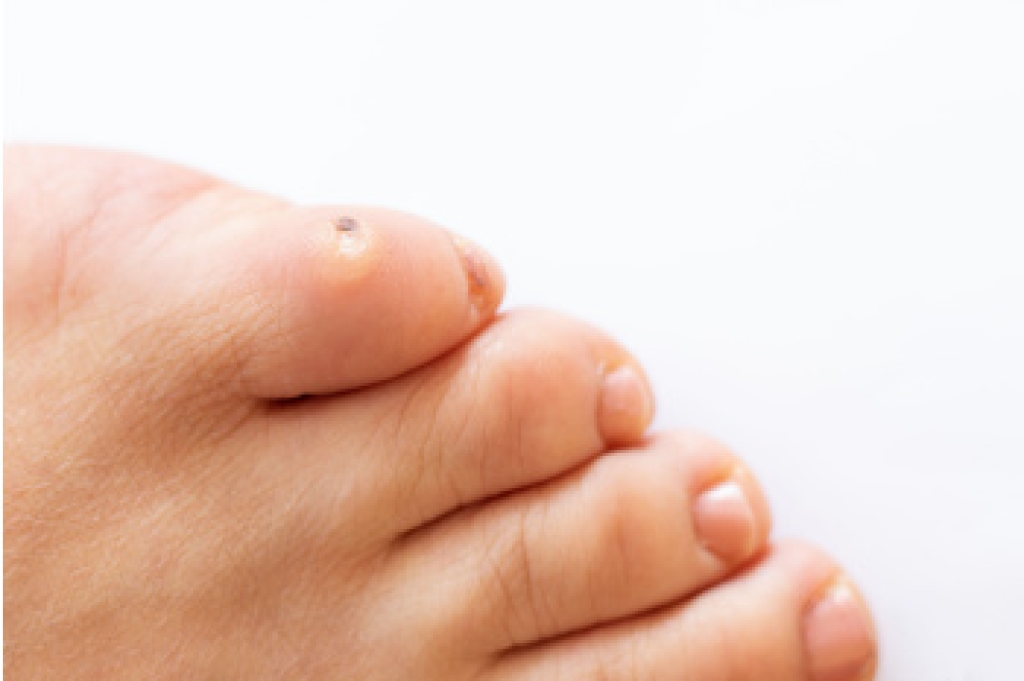
Managing Recurring Corns on the Feet

Corns on the feet are thick, hardened areas of skin that develop in response to repeated pressure and friction. They can appear on the tops or sides of the toes, between the toes, or on the bottoms of the feet. Corns can look rough, raised, and slightly yellow. Some become tender or painful when touched. Shoes that fit too tightly can create repeated rubbing that leads to corns. Standing or walking for long periods of time can also place enough pressure on certain areas to cause them.

Foot structure and the way a person walks can increase the chance of developing corns. A corn can form as the skin tries to protect itself from continued pressure, but the thickened area itself can eventually become painful. Discomfort can become more noticeable when shoes press against the corn. Corns can also return when the source of friction remains. Properly fitting shoes can help reduce pressure on sensitive areas. However, recurring or painful corns can signal a foot problem that deserves a closer evaluation.

A podiatrist can examine a corn and determine what is creating excess pressure on the affected area. Treatment can include carefully removing layers of hardened skin with sanitized instruments. Patients should not cut corns themselves because doing so can damage healthy skin and increase the risk of infection. A podiatrist can also assess foot shape and walking patterns to identify factors that contribute to repeated corns. Recommendations can include wearing properly fitting shoes, protective padding, or other methods that reduce pressure. Podiatric care is especially important when a corn keeps returning or causes significant pain. If you have developed of corns on the feet, it is suggested that you schedule an appointment with a podiatrist for effective relief and treatment solutions. 

If you have any concerns regarding your feet and ankles, contact Gregory T. Loo, DPM of Elite Podiatry. Our doctor will treat your foot and ankle needs.

Corns: What Are They? and How Do You Get Rid of Them?
Corns can be described as areas of the skin that have thickened to the point of becoming painful or irritating. They are often layers and layers of the skin that have become dry and rough, and are normally smaller than calluses.

Ways to Prevent Corns
There are many ways to get rid of painful corns such as wearing:

  • Well-fitting socks
  • Comfortable shoes that are not tight around your foot
  • Shoes that offer support

Treating Corns
Treatment of corns involves removing the dead skin that has built up in the specific area of the foot. Consult with Our doctor to determine the best treatment option for your case of corns.

If you have any questions, please feel free to contact one of our offices located in Ahwatukee, and Phoenix, AZ . We offer the newest diagnostic and treatment technologies for all your foot care needs.

Read more about Corns: What Are They, and How Do You Get Rid of Them

How Runners Can Manage Plantar Fasciitis and Heel Pain

Running puts repeated force on the feet, and the plantar fascia absorbs stress. The plantar fascia is a band of tissue that runs from the heel to the toes and supports the arch. When this tissue becomes irritated, heel pain can develop. Pain from plantar fasciitis is sharpest with the first steps after waking. A run may feel manageable at first, but discomfort can increase as the foot works harder. Sudden changes in mileage, faster training, and hills can place extra strain on the heel. Shoes that lack proper support can add stress.

Runners should not assume heel pain will fade. Continuing the same training schedule can make irritation harder to settle and affect running form. A runner may alter their gait by shortening each step or shifting weight away from the sore heel. These changes can strain the ankle, knee, or other foot. A podiatrist can examine the painful area and evaluate how the foot moves to rule out a stress fracture. Imaging can clarify the diagnosis if needed. An early evaluation gives the runner a clear plan and can reduce time away from training.

Treatment from a podiatrist focuses on easing heel stress and supporting a safe return to running. The podiatrist can recommend activity changes and prescribe custom orthotics to improve foot support. This helps avoid the motion that pulls on the plantar fascia. The doctor may suggest supportive shoes or a night splint, which keeps the foot in a gentle stretch while sleeping. Advice about mileage, running surfaces, and warm-up habits can lower the chance of another flare-up. Follow-up visits allow the podiatrist to check progress and adjust treatment. Surgery is rarely required, but a podiatrist can discuss it when pain remains severe despite careful treatment. If you are a runner with symptoms of plantar fasciitis, it is suggested that you schedule an appointment with a podiatrist for effective relief and treatment solutions.

Plantar fasciitis is a common foot condition that is often caused by a strain injury. If you are experiencing heel pain or symptoms of plantar fasciitis, contact Gregory T. Loo, DPM from Elite Podiatry. Our doctor can provide the care you need to keep you pain-free and on your feet.

What Is Plantar Fasciitis?

Plantar fasciitis is one of the most common causes of heel pain. The plantar fascia is a ligament that connects your heel to the front of your foot. When this ligament becomes inflamed, plantar fasciitis is the result. If you have plantar fasciitis you will have a stabbing pain that usually occurs with your first steps in the morning. As the day progresses and you walk around more, this pain will start to disappear, but it will return after long periods of standing or sitting.

What Causes Plantar Fasciitis?

  • Excessive running
  • Having high arches in your feet
  • Other foot issues such as flat feet
  • Pregnancy (due to the sudden weight gain)
  • Being on your feet very often

There are some risk factors that may make you more likely to develop plantar fasciitis compared to others. The condition most commonly affects adults between the ages of 40 and 60. It also tends to affect people who are obese because the extra pounds result in extra stress being placed on the plantar fascia.

Prevention

  • Take good care of your feet – Wear shoes that have good arch support and heel cushioning.
  • Maintain a healthy weight
  • If you are a runner, alternate running with other sports that won’t cause heel pain

There are a variety of treatment options available for plantar fasciitis along with the pain that accompanies it. Additionally, physical therapy is a very important component in the treatment process. It is important that you meet with your podiatrist to determine which treatment option is best for you.

If you have any questions, please feel free to contact one of our offices located in Ahwatukee, and Phoenix, AZ . We offer the newest diagnostic and treatment technologies for all your foot care needs.


Read more about Plantar Fasciitis
Connect with us

our recent articles