


If left untreated, an ingrown toenail can lead to more serious concerns, such as an infection. Knowing proper nail care can help in the prevention of an ingrown toenail. Give us a call, and get treated!
If left untreated, an ingrown toenail can lead to more serious concerns, such as an infection. Knowing proper nail care can help in the prevention of an ingrown toenail. Give us a call, and get treated!
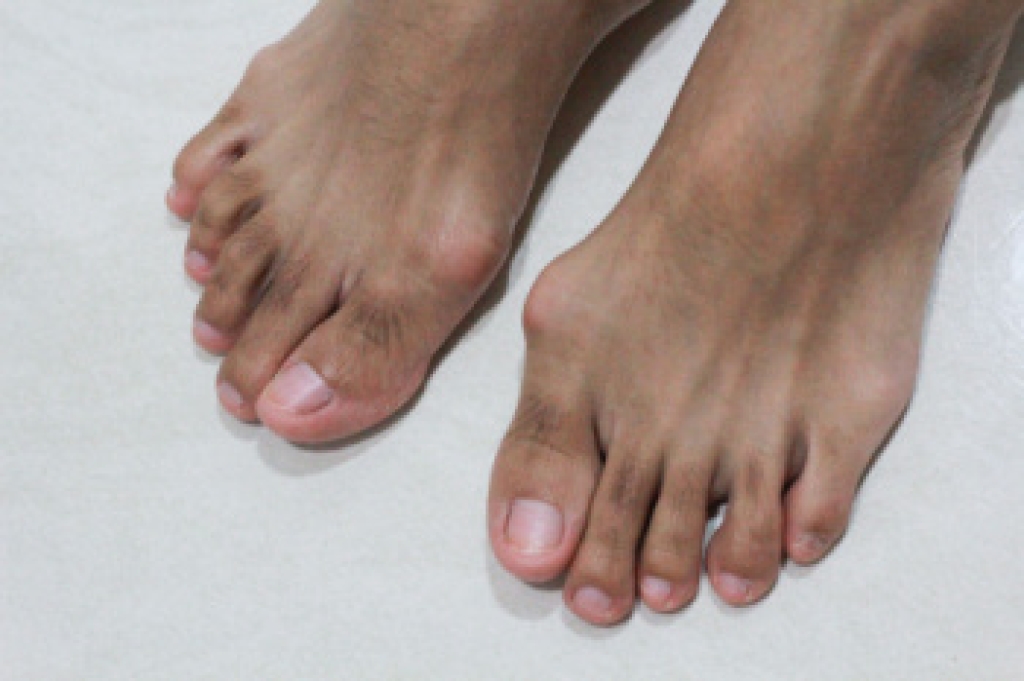
A bunion is a deformity that develops at the joint where the big toe meets the foot. The big toe gradually shifts toward the smaller toes, causing the base of the joint to become enlarged and more noticeable. Bunions develop slowly, and symptoms become more severe over time. Common signs include pain, swelling, and redness surrounding the joint. Some people also experience stiffness or have difficulty wearing certain shoes because of the enlarged area. As the deformity worsens, it can affect the way the foot functions while walking and standing. Because bunions do not usually improve without professional care, early evaluation is important to determine the severity of the condition and recommend appropriate treatment.
Several factors may contribute to bunion development, including inherited foot structure, abnormal foot mechanics, and certain inflammatory joint conditions. Although wearing narrow or tight-fitting shoes does not directly cause bunions, it may increase pressure on the affected joint and worsen existing symptoms. The deformity may continue to progress, making the toe less flexible and increasing discomfort during everyday activities. A comprehensive podiatry examination helps evaluate joint alignment, foot structure, and the extent of the deformity. Imaging studies may also be recommended to better understand changes within the joint. Early diagnosis allows treatment to begin before the bunion causes greater pain or leads to additional foot problems.
A podiatrist specializes in diagnosing and treating bunions while evaluating the overall health and function of the feet. Professional care focuses on relieving pain, improving mobility, and slowing the progression of the deformity when possible. Treatment is individualized based on the severity of the bunion, the patient's symptoms, and activity level. Regular follow-up visits also allow the condition to be monitored and treatment to be adjusted as needed. If you have pain at the base of your big toe or believe you may have a bunion, it is suggested that you consult a podiatrist for an evaluation and appropriate treatment options.
If you are suffering from bunions, contact Gregory T. Loo, DPM of Elite Podiatry. Our doctor can provide the care you need to keep you pain-free and on your feet.
What Is a Bunion?
A bunion is formed of swollen tissue or an enlargement of boney growth, usually located at the base joint of the toe that connects to the foot. The swelling occurs due to the bones in the big toe shifting inward, which impacts the other toes of the foot. This causes the area around the base of the big toe to become inflamed and painful.
Why Do Bunions Form?
Genetics – Susceptibility to bunions are often hereditary
Stress on the feet – Poorly fitted and uncomfortable footwear that places stress on feet, such as heels, can worsen existing bunions
How Are Bunions Diagnosed?
Podiatrists often perform two tests – blood tests and x-rays – when trying to diagnose bunions, especially in the early stages of development. Blood tests help determine if the foot pain is being caused by something else, such as arthritis, while x-rays provide a clear picture of your bone structure to your provider.
How Are Bunions Treated?
If you have any questions, please feel free to contact one of our offices located in Ahwatukee, and Phoenix, AZ . We offer the newest diagnostic and treatment technologies for all your foot care needs.

A bunion is a bony bump that forms at the base of the big toe due to joint misalignment. Over time, the big toe shifts toward the smaller toes, which causes the joint to protrude outward. This change can lead to discomfort and difficulty with daily activities. While many bunions can be managed with conservative care, some cases progress and require surgical treatment. Understanding when this type of foot surgery is needed helps individuals make informed decisions about their foot health.
Common symptoms of bunions include pain, swelling, redness, and limited movement of the big toe joint. The area may become tender, especially while wearing tight or narrow shoes. Risk factors include inherited foot structure, improper footwear, and conditions that affect joint alignment. High-heeled or narrow shoes can increase pressure on the forefoot, which may worsen the deformity over time. Additional causes include flat feet, arthritis, and repeated stress on the foot.
Bunion surgery may be recommended when symptoms interfere with daily life and do not improve with non-surgical treatments. Several types of procedures are used depending on the severity of the condition. These may include removal of part of the metatarsal head, removal of excess bone, and realignment of soft tissues around the joint. In some cases, the podiatric surgeon may reposition bones to restore proper alignment. Each surgical approach is designed to reduce pain, correct deformity, and improve function.
Deciding on bunion surgery involves evaluating symptoms, lifestyle needs, and overall foot health. Early treatment may prevent progression, but advanced cases may require surgical correction for long-term relief. Understanding the causes, symptoms, and treatment options can support better outcomes. If you are considering bunion surgery for lasting relief, it is suggested that you consult a podiatrist who can determine if this type of foot surgery is right for you.
Foot surgery is sometimes necessary to treat a foot ailment. To learn more, contact Gregory T. Loo, DPM of Elite Podiatry. Our doctor will assist you with all of your foot and ankle needs.
When Is Surgery Necessary?
Foot and ankle surgery is generally reserved for cases in which less invasive, conservative procedures have failed to alleviate the problem. Some of the cases in which surgery may be necessary include:
What Types of Surgery Are There?
The type of surgery you receive will depend on the nature of the problem you have. Some of the possible surgeries include:
Benefits of Surgery
Although surgery is usually a last resort, it can provide more complete pain relief compared to non-surgical methods and may allow you to finally resume full activity.
Surgical techniques have also become increasingly sophisticated. Techniques like endoscopic surgery allow for smaller incisions and faster recovery times.
If you have any questions, please feel free to contact one of our offices located in Ahwatukee, and Phoenix, AZ . We offer the newest diagnostic and treatment technologies for all your foot care needs.

A foot stress fracture is a small crack in the bone that develops due to repetitive force rather than a single injury. These fractures commonly affect the metatarsal bones and are frequently seen in runners, athletes, and individuals who engage in high-impact activities. Unlike acute fractures, stress fractures form gradually when muscles become fatigued and are unable to absorb shock effectively. As a result, the bones take on more stress, leading to tiny cracks that can worsen without proper care.
Symptoms of a foot stress fracture often begin as mild discomfort and progress into more noticeable pain. The pain typically intensifies while walking, running, or standing for long periods of time. It may decrease with rest, but return once activity resumes. Swelling, tenderness, and localized pain in a specific area of the foot are common signs. Some individuals may also notice slight bruising or difficulty bearing weight as the condition advances. Early detection is important to prevent the fracture from becoming more severe.
The primary cause of foot stress fractures is overuse, particularly from repetitive high-impact movements, such as running, jumping, or sudden increases in activity levels. Training errors, such as increasing intensity too quickly, can place excessive strain on the bones. Wearing inadequate footwear that does not provide proper support or cushioning can also contribute to the problem. Environmental factors, including hard surfaces, may increase the amount of stress placed on the foot during activity.
Several risk factors can raise the likelihood of developing a stress fracture. Females are associated with a higher risk, particularly in athletes with hormonal imbalances or reduced bone density. Low levels of vitamin D can weaken bones and make them more susceptible to injury. Other factors include poor nutrition, improper biomechanics, and a history of previous stress fractures. If you have symptoms of a foot stress fracture, it is suggested that you consult a podiatrist for effective relief and treatment solutions.
Activities where too much pressure is put on the feet can cause stress fractures. To learn more, contact Gregory T. Loo, DPM from Elite Podiatry. Our doctor can provide the care you need to keep your pain free and on your feet.
Dealing with Stress Fractures of the Foot and Ankle
Stress fractures occur in the foot and ankle when muscles in these areas weaken from too much or too little use. The feet and ankles then lose support when walking or running from the impact of the ground. Since there is no protection, the bones receive the full impact of each step. Stress on the feet can cause cracks to form in the bones, thus creating stress fractures.
What Are Stress Fractures?
Stress fractures occur frequently in individuals whose daily activities cause great impact on the feet and ankles. Stress factors are most common among:
Symptoms
Pain from the fractures occur in the area of the fractures and can be constant or intermittent. It will often cause sharp or dull pain with swelling and tenderness. Engaging in any kind of activity which involves high impact will aggravate pain.
If you have any questions please contact one of our offices located in Ahwatukee, and Phoenix, AZ . We offer the newest diagnostic and treatment technologies for all your foot and ankle needs.

Exercise plays an important role in protecting older adults from falls and helping them stay active and independent. Regular movement improves muscle strength, balance, and flexibility, making it easier to walk with confidence and react to uneven ground. Many older adults benefit from a routine that combines endurance activities, strength training, and balance exercises. Walking, swimming, and cycling help build endurance. Light resistance exercises improve muscle strength. Balance activities, like tai chi and standing on one foot, help reduce the risk of falling. Stretching also keeps muscles and joints moving comfortably, making everyday activities easier and safer.
Good foot health is another important part of falls protection. Painful feet, numbness, poor circulation, and foot deformities can affect balance and make walking less stable. Wearing shoes that fit well and provide proper support can improve stability and reduce slipping. Shoes should match the activity being performed and provide enough room for the toes. A podiatrist examines the feet, checks for changes in sensation, and evaluates how patients walk. This examination helps identify problems that increase the risk of falling. A podiatrist also recommends custom orthotics when appropriate to improve balance and relieve pressure on painful areas. Regular foot exams help detect changes before they become more serious.
Exercise is most effective when it becomes part of a regular routine. Adults age 65 and older benefit from at least 150 minutes of moderate physical activity each week. Strength exercises should be completed at least twice each week. Balance and flexibility exercises should also be performed regularly. Staying active supports better mobility, greater confidence, and a lower risk of falls. Healthy feet make exercise safer and more comfortable, allowing people to continue enjoying daily activities. Early attention to foot problems helps prevent mobility challenges that could increase fall risk. If you have injured your foot or ankle while falling, it is suggested that you schedule an appointment with a podiatrist for diagnosis and appropriate treatment.
Preventing falls among the elderly is very important. If you are older and have fallen or fear that you are prone to falling, consult with Gregory T. Loo, DPM from Elite Podiatry. Our doctor will assess your condition and provide you with quality advice and care.
Every 11 seconds, an elderly American is being treated in an emergency room for a fall related injury. Falls are the leading cause of head and hip injuries for those 65 and older. Due to decreases in strength, balance, senses, and lack of awareness, elderly persons are very susceptible to falling. Thankfully, there are a number of things older persons can do to prevent falls.
How to Prevent Falls
Some effective methods that older persons can do to prevent falls include:
Falling can be a traumatic and embarrassing experience for elderly persons; this can make them less willing to leave the house, and less willing to talk to someone about their fears of falling. Doing such things, however, will increase the likelihood of tripping or losing one’s balance. Knowing the causes of falling and how to prevent them is the best way to mitigate the risk of serious injury.
If you have any questions, please feel free to contact one of our offices located in Ahwatukee, and Phoenix, AZ . We offer the newest diagnostic and treatment technologies for all your foot care needs.