
Gregory Loo, DPM Board Certified Podiatrist and Surgeon

Blog

Plantar Warts and What You Need to Know

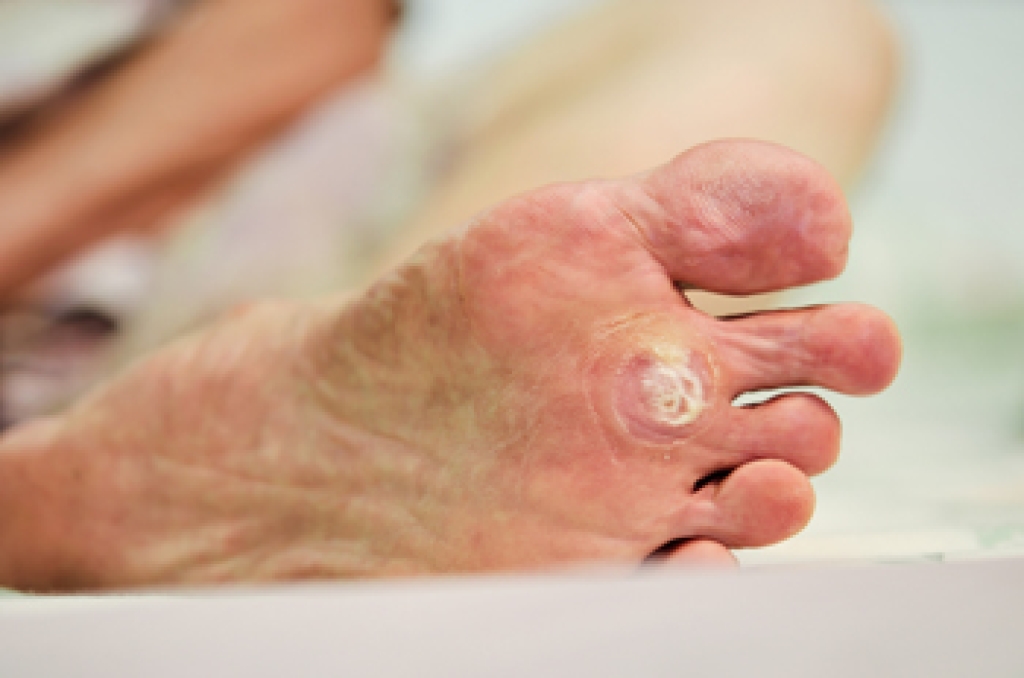
Plantar warts are skin growths that develop on the bottom of the foot due to infection with the human papillomavirus, or HPV. The virus enters through small cuts or weakened areas of skin and causes thickened lesions to form. These warts are often painful because they grow on weight-bearing areas such as the heel, where pressure from walking and standing forces them inward. Symptoms may include a rough circular patch of thick skin, tiny dark spots within the lesion, tenderness, and discomfort during daily activities. Risk factors include walking barefoot in public areas, excessive moisture, and a weakened immune system. If you have developed a plantar wart, it is suggested that you promptly consult a podiatrist who can provide an accurate diagnosis and effective relief and treatment techniques.

Plantar warts can be very uncomfortable. If you need your feet checked, contact Gregory T. Loo, DPM from Elite Podiatry. Our doctor will assist you with all of your foot and ankle needs.

About Plantar Warts

Plantar warts are the result of HPV, or human papillomavirus, getting into open wounds on the feet. They are mostly found on the heels or balls of the feet.

While plantar warts are generally harmless, those experiencing excessive pain or those suffering from diabetes or a compromised immune system require immediate medical care. Plantar warts are easily diagnosed, usually through scraping off a bit of rough skin or by getting a biopsy.

Symptoms

  • Lesions on the bottom of your feet, usually rough and grainy
  • Hard or thick callused spots
  • Wart seeds, which are small clotted blood vessels that look like little black spots
  • Pain, discomfort, or tenderness of your feet when walking or standing

Treatment

  • Freezing
  • Electric tool removal
  • Laser Treatment
  • Topical Creams (prescription only)
  • Over-the-counter medications

To help prevent developing plantar warts, avoid walking barefoot over abrasive surfaces that can cause cuts or wounds for HPV to get into. Avoiding direct contact with other warts, as well as not picking or rubbing existing warts, can help prevent the further spread of plantar warts. However, if you think you have developed plantar warts, speak to your podiatrist. He or she can diagnose the warts on your feet and recommend the appropriate treatment options.

If you have any questions, please feel free to contact one of our offices located in Ahwatukee, and Phoenix, AZ . We offer the newest diagnostic and treatment technologies for all your foot care needs.
Read more about All About Plantar Warts

Why Certain Heel and Foot Tendon Injuries Need Different Care

Pain along the back of the heel or through the foot is often blamed on a single tendon problem, but there are important differences that affect treatment. One condition commonly involves short-term irritation of a tendon, such as the Achilles tendon, often triggered by a sudden increase in walking, running, or standing. This type of injury is linked to inflammation and may improve with rest and activity changes. Another condition develops gradually and reflects long-standing wear within the tendon fibers themselves. In this situation, the tissue becomes weaker and less flexible, especially in the Achilles tendon or tendons supporting the arch. Treating both problems the same way can slow healing and prolong discomfort. Identifying which process is present helps guide appropriate care and recovery strategies. If heel or foot tendon pain persists, it is suggested that you see a podiatrist for a full exam and appropriate treatment.

Achilles tendon injuries need immediate attention to avoid future complications. If you have any concerns, contact Gregory T. Loo, DPM of Elite Podiatry. Our doctor can provide the care you need to keep you pain-free and on your feet.

What Is the Achilles Tendon?

The Achilles tendon is a tendon that connects the lower leg muscles and calf to the heel of the foot. It is the strongest tendon in the human body and is essential for making movement possible. Because this tendon is such an integral part of the body, any injuries to it can create immense difficulties and should immediately be presented to a doctor.

What Are the Symptoms of an Achilles Tendon Injury?

There are various types of injuries that can affect the Achilles tendon. The two most common injuries are Achilles tendinitis and ruptures of the tendon.

Achilles Tendinitis Symptoms

  • Inflammation
  • Dull to severe pain
  • Increased blood flow to the tendon
  • Thickening of the tendon

Rupture Symptoms

  • Extreme pain and swelling in the foot
  • Total immobility

Treatment and Prevention

Achilles tendon injuries are diagnosed by a thorough physical evaluation, which can include an MRI. Treatment involves rest, physical therapy, and in some cases, surgery. However, various preventative measures can be taken to avoid these injuries, such as:

  • Thorough stretching of the tendon before and after exercise
  • Strengthening exercises like calf raises, squats, leg curls, leg extensions, leg raises, lunges, and leg presses

If you have any questions please feel free to contact one of our offices located in Ahwatukee, and Phoenix, AZ . We offer the newest diagnostic tools and technology to treat your foot and ankle needs.

Read more about What are Achilles Tendon Injuries

How Peripheral Artery Disease Affects the Feet

Peripheral artery disease, or PAD, occurs when narrowed arteries reduce blood flow to the legs and feet. This most often develops from plaque buildup along artery walls, which limits oxygen delivery to tissues. Poor circulation can cause symptoms such as leg cramping with walking, cold feet, slow growing toenails, or skin that appears thin and shiny. In more advanced cases, wounds may heal slowly or not at all. Risk factors include diabetes, smoking, high blood pressure, high cholesterol, and increasing age. Treatment focuses on improving circulation and reducing complications. This may involve lifestyle changes, medication, wound care, and close monitoring of foot health. Early detection is important because reduced blood flow increases the risk of infection and tissue damage. If you notice persistent leg pain, changes in foot skin, or slow healing sores, it is suggested that you see a podiatrist for a proper diagnosis and appropriate treatment.

Peripheral artery disease can pose a serious risk to your health. It can increase the risk of stroke and heart attack. If you have symptoms of peripheral artery disease, consult with Gregory T. Loo, DPM from Elite Podiatry. Our doctor will assess your condition and provide you with quality foot and ankle treatment.

Peripheral artery disease (PAD) is when arteries are constricted due to plaque (fatty deposits) build-up. This results in less blood flow to the legs and other extremities. The main cause of PAD is atherosclerosis, in which plaque builds up in the arteries.

Symptoms

Symptoms of PAD include:

  • Claudication (leg pain from walking)
  • Numbness in legs
  • Decrease in growth of leg hair and toenails
  • Paleness of the skin
  • Erectile dysfunction
  • Sores and wounds on legs and feet that won’t heal
  • Coldness in one leg

It is important to note that a majority of individuals never show any symptoms of PAD.

Diagnosis

While PAD occurs in the legs and arteries, Podiatrists can diagnose PAD. Podiatrists utilize a test called an ankle-brachial index (ABI). An ABI test compares blood pressure in your arm to you ankle to see if any abnormality occurs. Ultrasound and imaging devices may also be used.

Treatment

Fortunately, lifestyle changes such as maintaining a healthy diet, exercising, managing cholesterol and blood sugar levels, and quitting smoking, can all treat PAD. Medications that prevent clots from occurring can be prescribed. Finally, in some cases, surgery may be recommended.

If you have any questions, please feel free to contact one of our offices located in Ahwatukee, and Phoenix, AZ . We offer the newest diagnostic and treatment technologies for all your foot care needs.

Read more about Peripheral Artery Disease

Traits of Walking and Running Shoes

Walking and running shoes are designed differently to accommodate unique foot mechanics and movement patterns. Walking shoes distribute weight more evenly across the foot, offer moderate cushioning, and typically have a lower, more stable heel flare for balance. Running shoes are built for forward motion, with increased cushioning to absorb impact, a higher heel to support stride, and more responsiveness and flexibility to handle repeated high force. Choosing the correct shoe type reduces fatigue, prevents injury, and supports natural foot function. A podiatrist can assess gait, recommend appropriate footwear, and prescribe custom orthotics if needed to optimize performance and comfort. If you have foot pain, it is suggested that you consult a podiatrist who can treat various foot and ankle conditions, and guide you on the right type of shoes to wear for your desired activity.

If you are a runner, wearing the right running shoe is essential. For more information, contact Gregory T. Loo, DPM from Elite Podiatry. Our doctor can provide the care you need to keep you pain-free and on your feet.

Choosing the Right Running Shoe for Your Foot Type

To increase performance and avoid the risk of injury, it is important to choose the right running shoe based on your foot type. The general design of running shoes revolves around pronation, which is how the ankle rolls from outside to inside when the foot strikes the ground.

  • Neutral runners are able to choose from a wide variety of shoes, including minimalist shoes or even going barefoot.
  • Runners who overpronate, or experience an over-abundance of ankle rolling, should choose shoes that provide extra motion control and stability.
  • Runners who underpronate, or supinate, have feet that have high arches and lack flexibility, preventing shock absorption. They require shoes with more flexibility and cushion.

If you have any questions, please feel free to contact one of our offices located in Ahwatukee, and Phoenix, AZ . We offer the newest diagnostic and treatment technologies for all your foot care needs.

Read more about Walking Shoes vs. Running Shoes
Connect with us

our recent articles