
Gregory Loo, DPM Board Certified Podiatrist and Surgeon

Blog

How Weight Affects Diabetic Foot Health

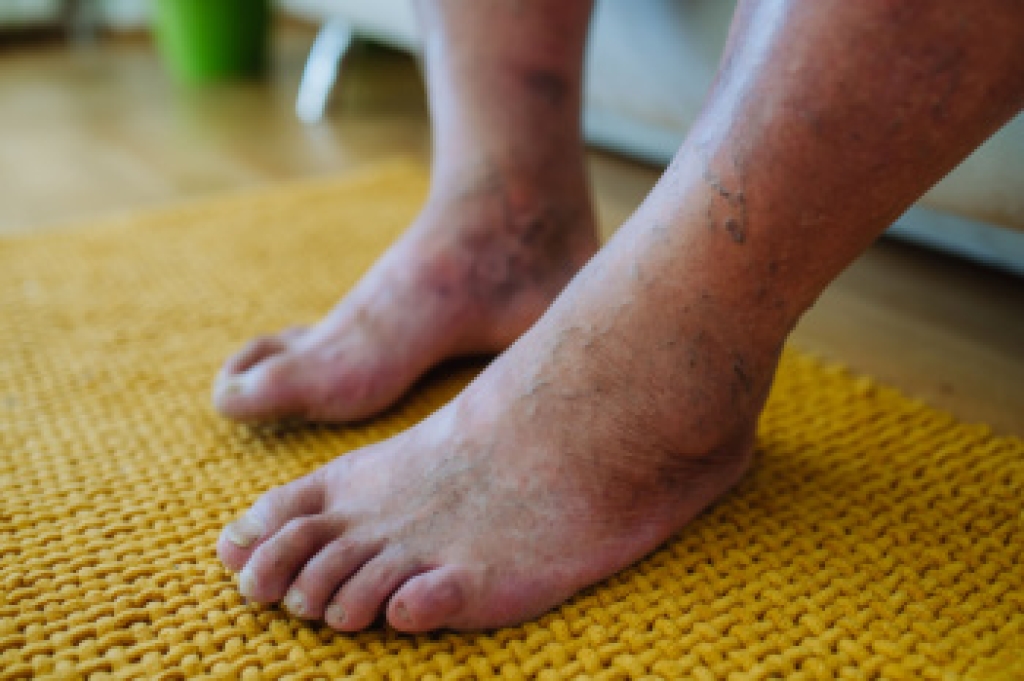
Excess weight can have a significant effect on foot health, especially for people living with diabetes. Added weight increases pressure on the bones, joints, and soft tissues. This can lead to pain in the heels, arches, and ankles. Diabetes can make these problems more serious because it affects blood flow and nerve function. Nerve damage, called neuropathy, reduces feeling in the feet and can make it difficult to notice injuries. Poor circulation slows healing and increases the risk of complications. Together, excess weight and diabetes create conditions that place the feet under greater strain and increase the likelihood of ongoing foot problems.

Overweight diabetics face a higher risk of foot ulcers. These are open sores that develop when skin and tissue break down. Increased pressure on certain areas of the foot can lead to skin damage. Reduced feeling caused by neuropathy can prevent a person from noticing early warning signs. Foot deformities, joint pain, and arthritis also occur more frequently in people who have diabetes and are overweight. Arthritis, which causes joint inflammation and discomfort, can make standing difficult and cause pain when walking. A podiatrist can evaluate pressure points, identify developing problems and create a treatment plan designed to protect the feet and reduce complications.

Weight changes can also affect foot function in diabetics. While reducing body weight can lessen stress on the feet, diabetes-related damage to nerves and blood vessels can remain present. Because of this, continued foot monitoring is important. A podiatrist can examine the feet for changes in skin condition, circulation, and foot structure. Regular evaluations can help identify ulcers, deformities, and areas of excessive pressure before they become more serious. Professional care plays an important role in helping diabetics maintain mobility and protect long-term foot health. If you have diabetes and have developed foot pain related to excess weight, it is suggested that you are under the care of a podiatrist who can help you to manage this serious condition.

Diabetic foot care is important in preventing foot ailments such as ulcers. If you are suffering from diabetes or have any other concerns about your feet, contact Gregory T. Loo, DPM from Elite Podiatry. Our doctor can provide the care you need to keep you pain-free and on your feet.

Diabetic Foot Care

Diabetes affects millions of people every year. The condition can damage blood vessels in many parts of the body, especially the feet. Because of this, taking care of your feet is essential if you have diabetes, and having a podiatrist help monitor your foot health is highly recommended.

The Importance of Caring for Your Feet

  • Routinely inspect your feet for bruises or sores.
  • Wear socks that fit your feet comfortably.
  • Wear comfortable shoes that provide adequate support.

Patients with diabetes should have their doctor monitor their blood levels, as blood sugar levels play such a huge role in diabetic care. Monitoring these levels on a regular basis is highly advised.

It is always best to inform your healthcare professional of any concerns you may have regarding your feet, especially for diabetic patients. Early treatment and routine foot examinations are keys to maintaining proper health, especially because severe complications can arise if proper treatment is not applied.

If you have any questions, please feel free to contact one of our offices located in Ahwatukee, and Phoenix, AZ . We offer the newest diagnostic and treatment technologies for all your foot care needs.


Read more about How to Care for Diabetic Foot

Who Commonly Develops Plantar Warts

Plantar warts are skin growths that appear on the bottom of the foot after exposure to certain viruses that enter through small breaks in the skin. They can affect people of all ages, but are seen more often in children, teenagers, and young adults. Shared environments like locker rooms, pool decks, and communal showers may increase exposure risk. People who sweat heavily, walk barefoot in public spaces, or have weakened immune defenses may also be more likely to develop them. These growths can appear as rough, thickened areas on weight-bearing parts of the foot and may become painful while walking or standing. Because they can resemble calluses or other skin conditions, proper diagnosis is important. Some resolve over time, while others persist or spread. If you have a painful skin lesion on the bottom of your foot, it is suggested that you visit a podiatrist for an evaluation and appropriate treatment.

Plantar warts can be very uncomfortable. If you need your feet checked, contact Gregory T. Loo, DPM from Elite Podiatry. Our doctor will assist you with all of your foot and ankle needs.

About Plantar Warts

Plantar warts are the result of HPV, or human papillomavirus, getting into open wounds on the feet. They are mostly found on the heels or balls of the feet.

While plantar warts are generally harmless, those experiencing excessive pain or those suffering from diabetes or a compromised immune system require immediate medical care. Plantar warts are easily diagnosed, usually through scraping off a bit of rough skin or by getting a biopsy.

Symptoms

  • Lesions on the bottom of your feet, usually rough and grainy
  • Hard or thick callused spots
  • Wart seeds, which are small clotted blood vessels that look like little black spots
  • Pain, discomfort, or tenderness of your feet when walking or standing

Treatment

  • Freezing
  • Electric tool removal
  • Laser Treatment
  • Topical Creams (prescription only)
  • Over-the-counter medications

To help prevent developing plantar warts, avoid walking barefoot over abrasive surfaces that can cause cuts or wounds for HPV to get into. Avoiding direct contact with other warts, as well as not picking or rubbing existing warts, can help prevent the further spread of plantar warts. However, if you think you have developed plantar warts, speak to your podiatrist. He or she can diagnose the warts on your feet and recommend the appropriate treatment options.

If you have any questions, please feel free to contact one of our offices located in Ahwatukee, and Phoenix, AZ . We offer the newest diagnostic and treatment technologies for all your foot care needs.

Read more about Plantar Warts

Why Cycling Can Hurt Your Ankle

Ankle pain from cycling is a common overuse issue that develops when the joint and surrounding tendons are placed under repeated strain. It often appears as aching, stiffness, or sharp discomfort during or after a ride. One major cause is incorrect cleat placement, which can force the foot into an unnatural angle and stress the ankle with every pedal stroke. A saddle that is too high can also lead to overextension, placing extra pressure on the joint. Risk factors include long rides, sudden increases in training, and poor bike fit. Over time, the pain may worsen and affect performance. A podiatrist can evaluate foot mechanics, assess bike related strain, and recommend custom orthotics or adjustments to improve alignment. If you enjoy cycling and have developed ankle pain, it is suggested that you consult a podiatrist who can guide you toward an effective relief and treatment plan.

Sports related foot and ankle injuries require proper treatment before players can go back to their regular routines. For more information, contact Gregory T. Loo, DPM of Elite Podiatry. Our doctor can provide the care you need to keep you pain-free and on your feet.

Sports Related Foot and Ankle Injuries

Foot and ankle injuries are a common occurrence when it comes to athletes of any sport. While many athletes dismiss the initial aches and pains, the truth is that ignoring potential foot and ankle injuries can lead to serious problems. As athletes continue to place pressure and strain the area further, a mild injury can turn into something as serious as a rupture and may lead to a permanent disability. There are many factors that contribute to sports related foot and ankle injuries, which include failure to warm up properly, not providing support or wearing bad footwear. Common injuries and conditions athletes face, including:

  • Plantar Fasciitis
  • Achilles Tendinitis
  • Achilles Tendon Rupture
  • Ankle Sprains

Sports related injuries are commonly treated using the RICE method. This includes rest, applying ice to the injured area, compression and elevating the ankle. More serious sprains and injuries may require surgery, which could include arthroscopic and reconstructive surgery. Rehabilitation and therapy may also be required in order to get any recovering athlete to become fully functional again. Any unusual aches and pains an athlete sustains must be evaluated by a licensed, reputable medical professional.

If you have any questions please contact one of our offices located in Ahwatukee, and Phoenix, AZ . We offer the newest diagnostic and treatment technologies for all your foot and ankle needs.

Read more about Sports Related Foot And Ankle Injuries

Heel Pain That Lingers

Plantar fasciitis is a common cause of heel pain that develops when the thick band of tissue along the bottom of the foot becomes irritated. Many people notice sharp discomfort with their first steps in the morning or after sitting for a while, with some improvement as they begin moving. It can develop from repetitive strain, foot structure, prolonged standing, or changes in activity level. The timeline for recovery varies. Some people improve within several weeks, while others may deal with symptoms for months, if the problem is not properly addressed. A podiatrist can evaluate the cause of the pain and recommend treatment such as stretching programs, supportive inserts, footwear guidance, or activity changes. Early treatment may help shorten recovery and prevent ongoing discomfort. If you have persistent heel pain or pain with your first steps each morning, it is strongly suggested that you visit a podiatrist for appropriate treatment solutions.

Plantar fasciitis can be very painful and inconvenient. If you are experiencing heel pain or symptoms of plantar fasciitis, contact Gregory T. Loo, DPM  from Elite Podiatry. Our doctor can provide the care you need to keep you pain-free and on your feet.

What Is Plantar Fasciitis?

Plantar fasciitis is the inflammation of the thick band of tissue that runs along the bottom of your foot, known as the plantar fascia, and causes mild to severe heel pain.

What Causes Plantar Fasciitis?

  • Excessive running
  • Non-supportive shoes
  • Overpronation
  • Repeated stretching and tearing of the plantar fascia

How Can It Be Treated?

  • Conservative measures – anti-inflammatories, ice packs, stretching exercises, physical therapy, orthotic devices
  • Shockwave therapy – sound waves are sent to the affected area to facilitate healing and are usually used for chronic cases of plantar fasciitis
  • Surgery – usually only used as a last resort when all else fails. The plantar fascia can be surgically detached from the heel

While very treatable, plantar fasciitis is definitely not something that should be ignored. Especially in severe cases, speaking to your doctor right away is highly recommended to avoid complications and severe heel pain. Your podiatrist can work with you to provide the appropriate treatment options tailored to your condition.

If you have any questions, please feel free to contact one of our offices located in Ahwatukee, and Phoenix, AZ . We offer the newest diagnostic and treatment technologies for all your foot care needs.

Read more about Plantar Fasciitis

Foot and Ankle Pain Caused by Arthritis

Arthritis in the feet and ankles can develop when the joints become inflamed or the protective cartilage wears down, over time. This often leads to pain and stiffness with movement. It can affect one joint or several areas at once, including the toes, arch, heel, or ankle. Patients notice aching pain, swelling, tenderness, or reduced flexibility that may worsen after walking or standing for long periods of time. Some joints may appear enlarged or feel warm. In advanced cases, the shape of the foot can gradually change. Osteoarthritis, rheumatoid arthritis, and gout are among the most common forms of arthritis that affect the lower extremities. Previous injuries, aging, excess pressure on the joints, and autoimmune disease can all contribute to the condition. A podiatrist can examine the affected joints, evaluate foot mechanics, and recommend treatment to reduce pain and improve mobility. Care may include wearing supportive footwear, targeted exercises, medication, or other therapies designed to protect the joints. If you have foot or ankle pain caused by arthritis, it is suggested that you schedule an appointment with a podiatrist for effective relief and management tips.

Foot Pain

Foot pain can be extremely painful and debilitating. If you have a foot pain, consult with Gregory T. Loo, DPM from Elite Podiatry. Our doctor will assess your condition and provide you with quality foot and ankle treatment.

Causes

Foot pain is a very broad condition that could be caused by one or more ailments. The most common include:

  • Bunions
  • Hammertoes
  • Plantar Fasciitis
  • Bone Spurs
  • Corns
  • Tarsal Tunnel Syndrome
  • Ingrown Toenails
  • Arthritis (such as Gout, Rheumatoid, and Osteoarthritis)
  • Flat Feet
  • Injury (from stress fractures, broken toe, foot, ankle, Achilles tendon ruptures, and sprains)
  • And more

Diagnosis

To figure out the cause of foot pain, podiatrists utilize several different methods. This can range from simple visual inspections and sensation tests to X-rays and MRI scans. Prior medical history, family medical history, and any recent physical traumatic events will all be taken into consideration for a proper diagnosis.

Treatment

Treatment depends upon the cause of the foot pain. Whether it is resting, staying off the foot, or having surgery; podiatrists have a number of treatment options available for foot pain.

If you have any questions, please feel free to contact one of our offices located in Ahwatukee, and Phoenix, AZ . We offer the newest diagnostic and treatment technologies for all your foot care needs.

Read more about Foot Pain
Connect with us

our recent articles