
Gregory Loo, DPM Board Certified Podiatrist and Surgeon

Blog

Types of Ankle Fractures

Ankle fractures often involve one or more of the three bones that form the ankle joint. These bones, the tibia, fibula, and talus, work together to support body weight and allow the foot to move smoothly. When one or more of them break, the ankle can become painful, swollen, and unstable. A fracture of the fibula is the most common ankle break and usually occurs on the outer side of the ankle after a twisting injury. Tibia fractures may involve the inner ankle and can affect the stability of the entire joint. In more severe injuries, the talus can also be damaged. Because the talus connects the leg to the foot and helps transfer body weight, a fracture in this bone may cause deep ankle pain, swelling, and difficulty walking. A podiatrist evaluates ankle fractures through physical examination and X-rays to determine the exact location and severity of the injury. Treatment may include immobilization, limited weight bearing, targeted exercises during recovery, or surgery if the joint is unstable. If you think you may have a broken ankle, it is suggested that you make an immediate appointment with a podiatrist.

test

Read more about All About Broken Ankle

Ingrown Toenails and the Benefits of Podiatric Care

An ingrown toenail is defined as the edge of a toenail growing into the surrounding skin, which leads to irritation and inflammation. This condition most often affects the big toe and can become painful if left untreated. Causes include improper nail trimming, wearing tight fitting shoes, repetitive pressure on the toes, or injury to the nail. Symptoms include redness, swelling, tenderness, and discomfort along the nail border, sometimes accompanied by infection. Among the risk factors are curved nail growth, excessive sweating, poor foot hygiene, and repeated toe trauma. A podiatrist can safely treat ingrown toenails, relieve pain, and prevent infection through professional care. If you have toe pain or if swelling develops, it is suggested that you consult a podiatrist who can effectively treat ingrown toenails. 

Ingrown toenails may initially present themselves as a minor discomfort, but they may progress into an infection in the skin without proper treatment. For more information about ingrown toenails, contact Gregory T. Loo, DPM of Elite Podiatry. Our doctor can provide the care you need to keep you pain-free and on your feet.

Ingrown Toenails

Ingrown toenails are caused when the corner or side of a toenail grows into the soft flesh surrounding it. They often result in redness, swelling, pain, and in some cases, infection. This condition typically affects the big toe and may recur if it is not treated properly.

Causes

  • Improper toenail trimming
  • Genetics
  • Improper shoe fitting
  • Injury from pedicures or nail picking
  • Abnormal gait
  • Poor hygiene

You are more likely to develop an ingrown toenail if you are obese, have diabetes, arthritis, or have any fungal infection in your nails. Additionally, people who have foot or toe deformities are at a higher risk of developing an ingrown toenail.

Symptoms

Some symptoms of ingrown toenails are redness, swelling, and pain. In rare cases, there may be a yellowish drainage coming from the nail.

Treatment

Ignoring an ingrown toenail can have serious complications. Infections of the nail border can progress to a deeper soft-tissue infection, which can then turn into a bone infection. You should always speak with your podiatrist if you suspect you have an ingrown toenail, especially if you have diabetes or poor circulation.

If you have any questions, please feel free to contact one of our offices located in Ahwatukee, and Phoenix, AZ . We offer the newest diagnostic and treatment technologies for all your foot care needs.


Read more about Ingrown Toenails

Understanding Structural Factors Behind Pain in the Smaller Toes

Discomfort in the smaller toes often develops because of underlying structural imbalance in the front portion of the foot. The bones in this region are small, yet they carry significant body weight during walking and standing. When alignment shifts, pressure becomes uneven across the metatarsal heads and toe joints. This imbalance can lead to joint inflammation, nerve irritation, and soft tissue strain. Wearing tight-fitting shoes, long-term biomechanical instability, and high-arched or flat-foot structure may increase stress on these delicate joints. Tendon dysfunction can also alter toe position, creating abnormal bending and increased friction against footwear. Over time, callus formation, joint stiffness, and persistent soreness may occur. A detailed examination, including weight-bearing assessment and gait evaluation, helps identify the exact pain source. Early, structure-focused treatment may prevent worsening deformity and chronic discomfort. If you are experiencing ongoing pain in the smaller toes, it is suggested that you see a podiatrist for a proper diagnosis and appropriate treatment.

Toe pain can disrupt your daily activities. If you have any concerns, contact Gregory T. Loo, DPM of Elite Podiatry. Our doctor can provide the care you need to keep you pain-free and on your feet.

What Causes Toe Pain?

Most severe toe pain is caused due to a sports injury, trauma from dropping something heavy on the toe, or bumping into something rigid. Other problems can develop over time for various reasons.

Toe pain can be caused by one or more ailments. The most common include:

  • Trauma
  • Sports injury
  • Wearing shoes that are too tight
  • Arthritis
  • Gout
  • Corns and calluses
  • Hammertoe
  • Bunions
  • Blisters
  • Ingrown toenails
  • Sprains
  • Fractures (broken bones)
  • Dislocations

When to See a Podiatrist

  • Severe pain
  • Persistent pain that lasts more than a week
  • Signs of infection
  • Continued swelling
  • Pain that prevents walking

Diagnosis

In many cases the cause of toe pain is obvious, but in others, a podiatrist may want to use more advanced methods to determine the problem. These can range from simple visual inspections and sensation tests to X-rays and MRI scans. Prior medical history, family medical history, and any recent physical traumatic events will all be taken into consideration for a proper diagnosis.

Treatment

Treatments for toe pain and injuries vary and may include shoe inserts, padding, taping, medicines, injections, and in some cases, surgery. If you believe that you have broken a toe, please see a podiatrist as soon as possible.

If you have any questions please contact one of our offices located in Ahwatukee, and Phoenix, AZ . We offer the newest diagnostic and treatment technologies for all your foot and ankle needs.

Read more about Toe Pain

Dealing With Cracked Heels in Cool Weather

Cracked heels are common in cooler weather because cold air and indoor heating dry out the skin. The skin on the bottom of the heel is naturally thick to handle body weight and pressure. When it becomes too dry, it loses flexibility and can split. These splits, often called fissures, are deep cracks that may cause pain, bleeding, or infection. Standing for long periods, wearing open-backed shoes, and taking long, hot showers can make the problem worse. People with diabetes or poor circulation may have a harder time healing and can face more serious complications. A podiatrist can examine the heels, safely trim thick, hardened skin, and provide professional treatment that helps restore moisture and protect the skin. Early medical care can reduce pain and prevent infection. If you have cracked heels that cause pain, it is suggested that you make an appointment with a podiatrist for an exam, diagnosis, and safe treatment.

Cracked heels are unsightly and can cause further damage to your shoes and feet. If you have any concerns, contact Gregory T. Loo, DPM from Elite Podiatry. Our doctor can provide the care you need to keep you pain-free and on your feet.

Cracked Heels

Cracked heels appear unappealing and can make it harder for you walk around in sandals. Aside from looking unpleasant, cracked heels can also tear stockings, socks, and wear out your shoes. There are several methods to help restore a cracked heel and prevent further damage.

How Do You Get Them?

Dry skin is the number one culprit in creating cracked heels. Many athletes, walkers, joggers, and even swimmers suffer from cracked heels. Age and skin oil production play a role to getting cracked heels as well.

Promote Healing

Over the counter medicines can help, especially for those that need instant relief or who suffer from chronic dry feet.

Wear Socks – Wearing socks with medicated creams helps lock in moisture.

Moisturizers – Applying both day and night will help alleviate dryness which causes cracking.

Pumice Stones – These exfoliate and remove dead skin, which allows for smoother moisturizer application and better absorption into the skin. 

Change in Diet

Eating healthy with a well-balanced diet will give the skin a fresh and radiant look. Your body responds to the kinds of food you ingest. Omega-3 fatty acids and zinc supplements can also revitalize skin tissue.

Most importantly, seek professional help if unsure how to proceed in treating cracked heels. A podiatrist will help you with any questions or information needed. 

If you have any questions, please feel free to contact one of our offices located in Ahwatukee, and Phoenix, AZ . We offer the newest diagnostic and treatment technologies for all your foot care needs.

Read more about Solutions for Cracked Heels

Broken Toe Facts and When to Seek Care

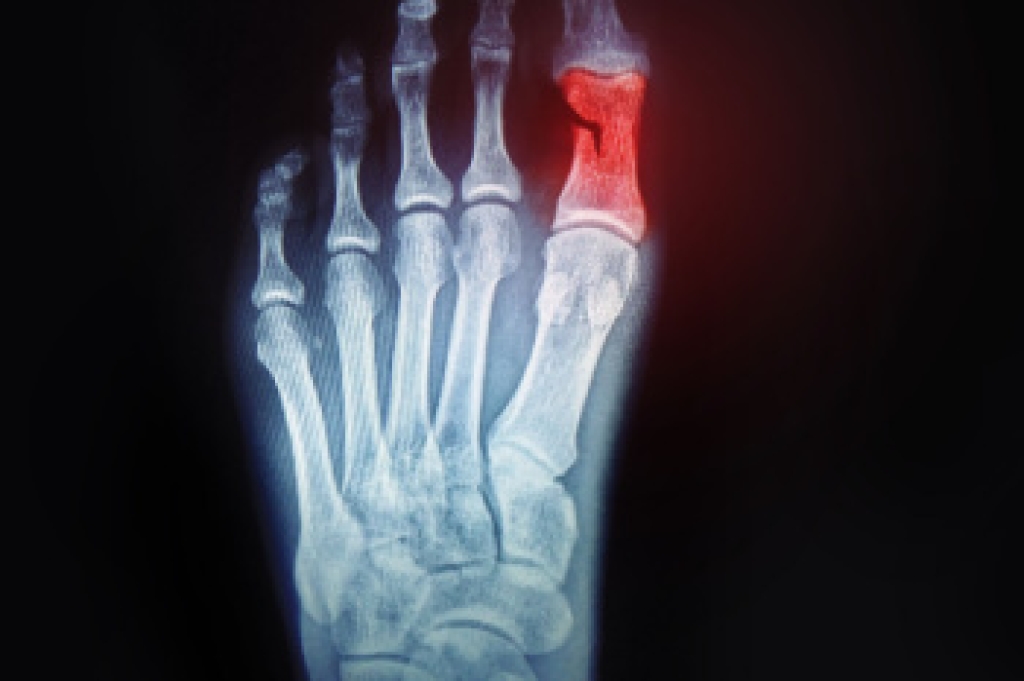
A broken toe is a fracture of one of the small bones in the toe, often caused by direct trauma or excessive force. This injury may occur from stubbing the toe, dropping a heavy object on the foot, or experiencing a sports-related accident. Common symptoms include sharp pain, swelling, bruising, tenderness, and difficulty walking. In some cases, the toe may appear misaligned or feel stiff. Diagnosis is typically made through a physical examination and confirmed with an X-ray to determine the extent of the fracture. A podiatrist can provide proper treatment, stabilization, and guidance for healing. If you have sustained a toe injury, it is suggested that you consult a podiatrist who can provide an accurate diagnosis and effective treatment solutions.

Broken toes may cause a lot of pain and should be treated as soon as possible. If you have any concerns about your feet, contact Gregory T. Loo, DPM from Elite Podiatry. Our doctor will treat your foot and ankle needs.

What Is a Broken Toe?

A broken toe occurs when one or more of the toe bones of the foot are broken after an injury. Injuries such as stubbing your toe or dropping a heavy object on it may cause a toe fracture.

Symptoms of a Broken Toe

  • Swelling
  • Pain (with/without wearing shoes)
  • Stiffness
  • Nail Injury

Although the injured toe should be monitored daily, it is especially important to have a podiatrist look at your toe if you have severe symptoms. Some of these symptoms include worsening or new pain that is not relieved with medication, sores, redness, or open wounds near the toe.

If you have any questions please feel free to contact one of our offices located in Ahwatukee, and Phoenix, AZ . We offer the newest diagnostic tools and technology to treat your foot and ankle needs.

Read more about What to Know About a Broken Toe
Connect with us

our recent articles