
Gregory Loo, DPM Board Certified Podiatrist and Surgeon
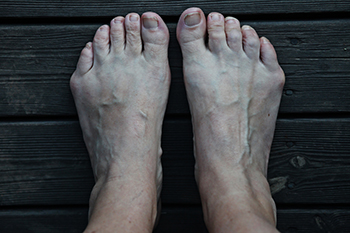
Tailor's bunion, also known as a bunionette, is a painful condition that develops on the outer side of the foot, specifically over the fifth metatarsophalangeal joint, or the 5th MPJ. This condition causes pressure pain, the formation of painful calluses, and difficulty when wearing shoes. One cause of tailor's bunion is a biomechanical abnormality where changes in your foot’s structure gradually cause the metatarsal bones to separate and a bunion to form. Conservative treatment options include padding, footwear modification, and custom-made orthotics. This condition is progressive and generally does not improve on its own. Surgical options include ostectomy, which removes the painful bump from the head of the fifth metatarsal. This type of surgery involves cutting the fifth metatarsal bone and realigning it. Surgical intervention may also include the removal of a painful bursa, if present. If tailor's bunion significantly hinders daily activities, causes discomfort while wearing shoes, or leads to excessive pain, it is suggested that you make an appointment with a podiatrist who can determine what the most appropriate course of action is.
If you are suffering from bunion pain, contact Gregory T. Loo, DPM of Elite Podiatry. Our doctor can provide the care you need to keep you pain-free and on your feet.
What Is a Bunion?
Bunions are painful bony bumps that usually develop on the inside of the foot at the joint of the big toe. As the deformity increases over time, it may become painful to walk and wear shoes. Women are more likely to exacerbate existing bunions since they often wear tight, narrow shoes that shift their toes together. Bunion pain can be relieved by wearing wider shoes with enough room for the toes.
Causes
Symptoms
In order to diagnose your bunion, your podiatrist may ask about your medical history, symptoms, and general health. Your doctor might also order an x-ray to take a closer look at your feet. Nonsurgical treatment options include orthotics, padding, icing, changes in footwear, and medication. If nonsurgical treatments don’t alleviate your bunion pain, surgery may be necessary.
If you have any questions, please feel free to contact one of our offices located in Ahwatukee, and Phoenix, AZ . We offer the newest diagnostic and treatment technologies for all your foot care needs.
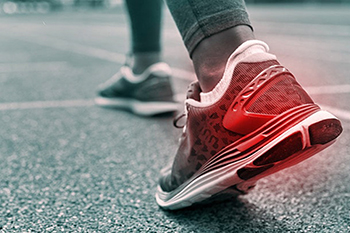
There are five main categories of running shoes that vary and fit with different running endeavors. First, there are spikes, designed for sprinting on tracks or cross-country courses. These lightweight shoes are known for their stiff plastic or metal spikes and minimal cushioning, offering superb traction for track workouts and actual racing events. Racing flats are tailored for road races and are available in a range of cushioning options, catering to different race distances. They are lighter and tend to be stiffer than training shoes, making them ideal for racing, although not for everyday training due to their minimal build. Lightweight trainers can add speed to a running routine and are good for sprints, tempo runs, and intervals because they are lightweight and flexible. Daily trainers are the workhorses of a running shoe collection. These shoes are generally moderately cushioned and built with durability in mind. They are the most comfortable choice for most types of runs, including easy runs, long runs, and recovery runs. Lastly, trail shoes are designed for off-road running, where rocks, roots, mud, and uneven surfaces can be encountered. These shoes vary widely, from lightly cushioned models resembling racing flats to bulkier options that resemble hiking boots. Their common features include enhanced tread, rock plates to protect against sharp objects, and reinforced uppers to withstand rugged terrains. If you are a runner and plan to run on different surfaces and under varied conditions, it is suggested that you make an appointment with a podiatrist. This type of doctor is able to discuss the types of running shoes to include in your assortment that can help to ensure your best comfort and performance.
You should always make sure your running shoes fit properly in order to avoid injury. For more information, contact Gregory T. Loo, DPM from Elite Podiatry. Our doctor can provide the care you need to keep you pain-free and on your feet.
Choosing the Right Running Shoe for Your Foot Type
Improper shoe sizing can cause a myriad of problems for your feet. Shoes that don’t fit you properly can lead to muscular imbalances in your body, which can result in foot, knee, and hip injuries.
Tips for Finding the Right Running Shoe
If you have any questions please feel free to contact our one of our offices located in Ahwatukee, and Phoenix, AZ . We offer the newest diagnostic and treatment technologies for all your foot and ankle needs.
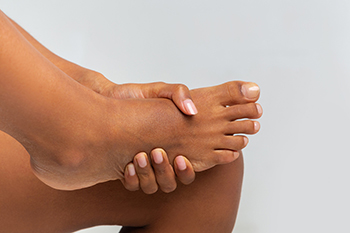
Accessory navicular syndrome is a foot condition where an extra piece of bone, called an accessory navicular, forms near the navicular bone in the foot. This extra bone can cause pain and discomfort, especially when it rubs against shoes or gets irritated due to physical activity. This condition is believed to be related to genetic factors. Treatment for this condition typically begins with conservative measures, such as rest, immobilization, use of orthotics, exercise, and taking anti-inflammatory medication. If conservative treatments do not provide relief, or if the condition is severe, surgical intervention may be considered. Surgery typically involves removing the accessory navicular bone and repairing the nearby tendon. If you think you may have this syndrome, it is suggested that you make an appointment with a podiatrist for a proper diagnosis, evaluation of the severity of your problem, and treatment options.
Some foot conditions may require additional professional care. If you have any concerns, contact Gregory T. Loo, DPM of Elite Podiatry. Our doctor can provide the care you need to keep you pain-free and on your feet.
Rare Foot Conditions
The majority of foot conditions are common and can be treated by a podiatrist. Standard diagnostic procedures are generally used to identify specific conditions and treatment can be rendered. A podiatrist also treats rare foot conditions which can be difficult to diagnose and may need extra attention and care.
There are many rare foot conditions that can affect children. Some of these can include:
Freiberg’s disease - This can be seen as a deterioration and flattening of a metatarsal bone that exists in the ball of the foot. It typically affects pre-teen and teenage girls, but can affect anyone at any age. Symptoms that can accompany this can be swelling, stiffness, and the patient may limp.
Kohler’s disease - This often targets the bone in the arch of the foot and affects younger boys. It can lead to an interruption of the blood supply which ultimately can lead to bone deterioration. The patient may limp or experience tenderness, swelling, and redness.
Maffucci syndrome - This affects the long bones in a child’s foot leading to the development of abnormal bone lesions. They are benign growths and typically develop in early childhood and the bones may be susceptible to breaking.
A podiatrist can properly diagnose and treat all types of rare foot conditions. If your child is affected by any of these symptoms or conditions, please don’t hesitate to call our office so the correct treatment method can begin.
If you have any questions please feel free to contact one of our offices located in Ahwatukee, and Phoenix, AZ . We offer the newest diagnostic tools and technology to treat your foot and ankle needs.

Fencing is a thrilling dance of swords, a clash of sharp intellects, and a showcase of exceptional skills. However, within the fluidity of each swift lunge and precise comeback, the potential for injuries lurks in the shadows. It can help to be aware of early indicators of injuries in fencing to proactively try to evade them. Foot and ankle injuries such as sprains and strains can emerge from absorbing the impact of swift maneuvers and changes in direction. Typical signs encompass discomfort, swelling, and challenges in walking or bearing weight. Safeguard against foot injuries by investing in top-tier fencing footwear, executing thorough warm-up routines, and upholding precise footwork techniques. In cases of foot injuries, the recommended course of action is resting, elevating, and compressing the affected limb. If you participate in fencing and have sustained a severe or persistent foot or ankle injury, it is suggested that you make an appointment with a podiatrist for a proper diagnosis and treatment.
Sports related foot and ankle injuries require proper treatment before players can go back to their regular routines. For more information, contact Gregory T. Loo, DPM of Elite Podiatry. Our doctor can provide the care you need to keep you pain-free and on your feet.
Sports Related Foot and Ankle Injuries
Foot and ankle injuries are a common occurrence when it comes to athletes of any sport. While many athletes dismiss the initial aches and pains, the truth is that ignoring potential foot and ankle injuries can lead to serious problems. As athletes continue to place pressure and strain the area further, a mild injury can turn into something as serious as a rupture and may lead to a permanent disability. There are many factors that contribute to sports related foot and ankle injuries, which include failure to warm up properly, not providing support or wearing bad footwear. Common injuries and conditions athletes face, including:
Sports related injuries are commonly treated using the RICE method. This includes rest, applying ice to the injured area, compression and elevating the ankle. More serious sprains and injuries may require surgery, which could include arthroscopic and reconstructive surgery. Rehabilitation and therapy may also be required in order to get any recovering athlete to become fully functional again. Any unusual aches and pains an athlete sustains must be evaluated by a licensed, reputable medical professional.
If you have any questions please feel free to contact one of our offices located in Ahwatukee, and Phoenix, AZ . We offer the newest diagnostic and treatment technologies for all your foot and ankle needs.
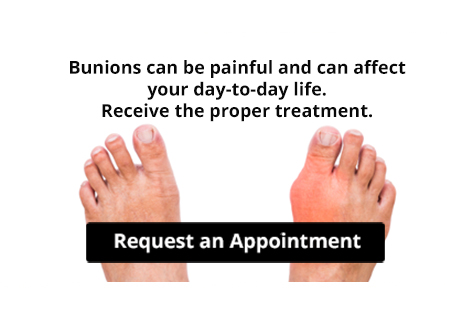
Have you noticed a bony protrusion on the side of your big toe? If so, you may have developed the foot condition known as a bunion. Don't let bunions interfere with your daily activities.
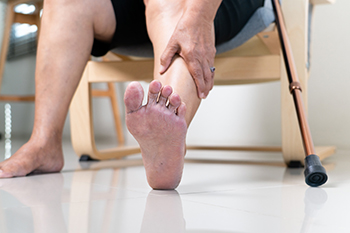
As we age, proper foot care becomes increasingly vital for maintaining overall health and mobility. Elderly feet are more susceptible to issues ranging from arthritis and reduced circulation to thinner skin and diminished sensation. Essential foot care practices for the senior years can begin with inspecting the feet regularly for any cuts, sores, or changes in skin color or temperature. It is beneficial for any signs of infection or injury to be promptly addressed. Toenails should be trimmed but not too short to prevent ingrown nails. Moisturize feet daily to prevent dryness and cracking, but ensure the areas between the toes remain dry to prevent fungal infections. Choose shoes that fit properly and provide support and cushioning as well. Custom orthotic inserts can help with arch support and stability. Regular, gentle foot exercises can improve circulation and mobility. Prioritizing proper foot care can enhance the quality of life for elderly individuals, helping them stay active and independent. It is suggested to seek regular check-ups with a podiatrist who can diagnose and address foot issues.
Proper foot care is something many older adults forget to consider. If you have any concerns about your feet and ankles, contact Gregory T. Loo, DPM from Elite Podiatry. Our doctor can provide the care you need to keep you pain-free and on your feet.
The Elderly and Their Feet
As we age we start to notice many changes in our body, but the elder population may not notice them right away. Medical conditions may prevent the elderly to take notice of their foot health right away. Poor vision is a lead contributor to not taking action for the elderly.
Common Conditions
Susceptible Infections
Diabetes and poor circulation can cause general loss of sensitivity over the years, turning a simple cut into a serious issue.
If you have any questions please feel free to contact one of our offices located in Ahwatukee, and Phoenix, AZ . We offer the newest diagnostic and treatment technologies for all your foot and ankle needs.