


Do you suffer from heel pain when you get up in the morning? If so, you should seek professional help and have a proper diagnosis performed. Heel pain can be caused by several different foot-related conditions.
Do you suffer from heel pain when you get up in the morning? If so, you should seek professional help and have a proper diagnosis performed. Heel pain can be caused by several different foot-related conditions.
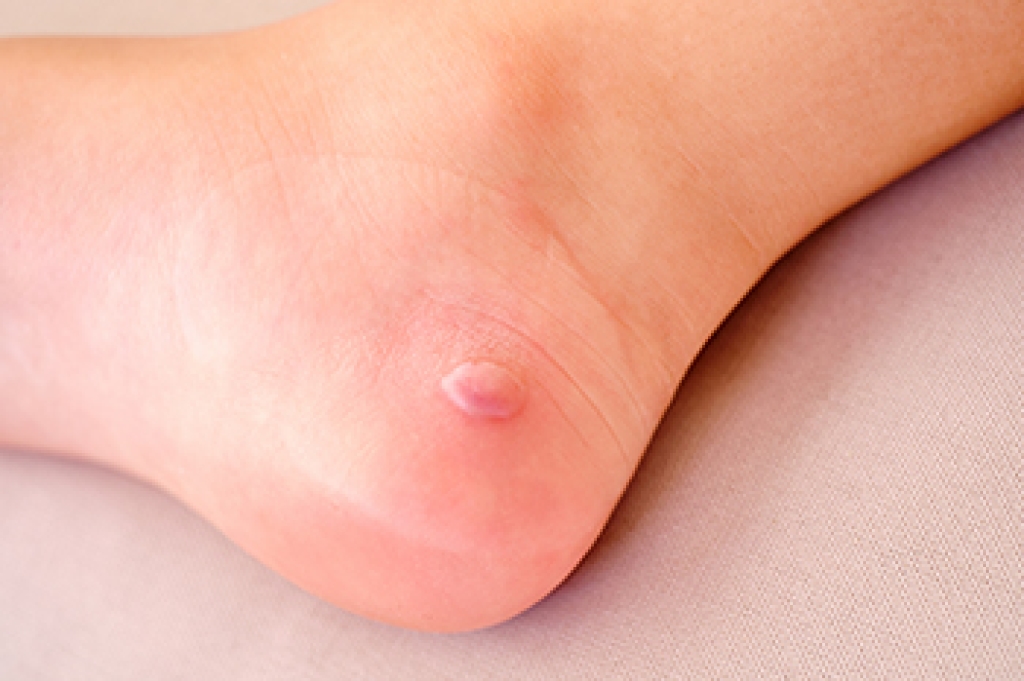
Blisters are fluid-filled sacs that form on the skin due to friction, heat, or cold. They commonly develop on the feet as the result of running, wearing ill-fitting shoes, or exposure to extreme temperatures. Blisters caused by friction typically appear as raised, clear bubbles of fluid on the skin, while those caused by heat or cold may be accompanied by redness, swelling, or pain. Symptoms include a painful, tender area where the skin has been damaged. Blisters from heat can occur from burns, while cold blisters may form due to frostbite or prolonged exposure to cold surfaces. The pain can range from mild to intense, especially when pressure is applied. A podiatrist can help by providing proper treatment, such as draining the blister, if necessary, dressing it to prevent infection, and advising on how to avoid future blisters. They can also offer guidance on selecting the right footwear. If you have painful blisters on the feet, it is suggested that you schedule an appointment with a podiatrist.
Blisters are prone to making everyday activities extremely uncomfortable. If your feet are hurting, contact Gregory T. Loo, DPM of Elite Podiatry. Our doctor can provide the care you need to keep you pain-free and on your feet.
Foot Blisters
Foot blisters develop as a result of constantly wearing tight or ill-fitting footwear. This happens due to the constant rubbing from the shoe, which can often lead to pain.
What Are Foot Blisters?
A foot blister is a small fluid-filled pocket that forms on the upper-most layer of the skin. Blisters are filled with clear fluid and can lead to blood drainage or pus if the area becomes infected.
How Do Blisters Form?
Blisters on the feet are often the result of constant friction of skin and material, usually by shoe rubbing. Walking in sandals, boots, or shoes that don’t fit properly for long periods of time can result in a blister. Having consistent foot moisture and humidity can easily lead to blister formation.
Prevention & Treatment
It is important to properly care for the affected area in order to prevent infection and ease the pain. Do not lance the blister and use a Band-Aid to provide pain relief. Also, be sure to keep your feet dry and wear proper fitting shoes. If you see blood or pus in a blister, seek assistance from a podiatrist.
If you have any questions, please feel free to contact one of our offices located in Ahwatukee, and Phoenix, AZ . We offer the newest diagnostic and treatment technologies for all your foot care needs.

Total contact casts are extremely effective for managing diabetic foot ulcers, particularly those caused by neuropathy. These casts distribute pressure evenly across the foot and ankle, to reduce stress on the ulcerated area and promote healing. By immobilizing the foot, a total contact cast also limits excessive movement, which can further aggravate wounds. Total contact casts ensure consistent pressure relief since patients cannot remove them, leading to higher healing rates. These casts are particularly beneficial for non-infected ulcers where circulation remains adequate. While total contact casts offer significant advantages, they require careful monitoring to prevent complications like skin irritation or new pressure points. A podiatrist can assess whether a total contact cast is appropriate based on wound severity, circulation, and overall foot health. Regular evaluations are needed to ensure proper healing and adjust the cast. If you are experiencing foot problems related to diabetes, it is suggested that you schedule an appointment with a podiatrist to see if a total contact cast is right for you.
Diabetic foot care is important in preventing foot ailments such as ulcers. If you are suffering from diabetes or have any other concerns about your feet, contact Gregory T. Loo, DPM from Elite Podiatry. Our doctor can provide the care you need to keep you pain-free and on your feet.
Diabetic Foot Care
Diabetes affects millions of people every year. The condition can damage blood vessels in many parts of the body, especially the feet. Because of this, taking care of your feet is essential if you have diabetes, and having a podiatrist help monitor your foot health is highly recommended.
The Importance of Caring for Your Feet
Patients with diabetes should have their doctor monitor their blood levels, as blood sugar levels play such a huge role in diabetic care. Monitoring these levels on a regular basis is highly advised.
It is always best to inform your healthcare professional of any concerns you may have regarding your feet, especially for diabetic patients. Early treatment and routine foot examinations are keys to maintaining proper health, especially because severe complications can arise if proper treatment is not applied.
If you have any questions, please feel free to contact one of our offices located in Ahwatukee, and Phoenix, AZ . We offer the newest diagnostic and treatment technologies for all your foot care needs.

Peripheral artery disease, or PAD, occurs when plaque builds up in the arteries, causing reduced blood flow to the lower limbs. This leads to such symptoms as pain, cramping, or numbness in the feet, toes, or ankles. Smoking, diabetes, high blood pressure, and high cholesterol are major risk factors, while aging and a family history of vascular disease can also contribute to its development. Poor circulation from PAD may cause slow-healing wounds, skin discoloration, and, in severe cases, ulcers that increase the risk of infection or limb loss. A podiatrist can evaluate the blood flow to the feet and ankles, identify complications, and recommend appropriate treatment to help prevent more serious outcomes. Depending on the severity of the peripheral artery disease, treatment may include medical management or procedures like angioplasty or bypass surgery. If you are experiencing foot problems related to peripheral artery disease, it is suggested that you visit a podiatrist for guidance and treatment options.
Peripheral artery disease can pose a serious risk to your health. It can increase the risk of stroke and heart attack. If you have symptoms of peripheral artery disease, consult with Gregory T. Loo, DPM from Elite Podiatry. Our doctor will assess your condition and provide you with quality foot and ankle treatment.
Peripheral artery disease (PAD) is when arteries are constricted due to plaque (fatty deposits) build-up. This results in less blood flow to the legs and other extremities. The main cause of PAD is atherosclerosis, in which plaque builds up in the arteries.
Symptoms
Symptoms of PAD include:
It is important to note that a majority of individuals never show any symptoms of PAD.
Diagnosis
While PAD occurs in the legs and arteries, Podiatrists can diagnose PAD. Podiatrists utilize a test called an ankle-brachial index (ABI). An ABI test compares blood pressure in your arm to you ankle to see if any abnormality occurs. Ultrasound and imaging devices may also be used.
Treatment
Fortunately, lifestyle changes such as maintaining a healthy diet, exercising, managing cholesterol and blood sugar levels, and quitting smoking, can all treat PAD. Medications that prevent clots from occurring can be prescribed. Finally, in some cases, surgery may be recommended.
If you have any questions, please feel free to contact one of our offices located in Ahwatukee, and Phoenix, AZ . We offer the newest diagnostic and treatment technologies for all your foot care needs.

Foot pain can stem from various conditions like corns, plantar fasciitis, and Achilles tendon injuries. Corns are thickened areas of skin that develop due to friction, often causing sharp pain when walking. Plantar fasciitis is marked by stabbing pain in the heel, especially with the first steps in the morning, caused by inflammation of the tissue connecting the heel to the toes. Achilles tendon injuries result in pain or stiffness in the back of the ankle, making movement difficult. These conditions can cause discomfort ranging from mild to debilitating, affecting daily activities. A podiatrist can help by diagnosing the exact cause of your foot pain. Treatment may include custom orthotics, stretching exercises, or injections for inflammation. In some cases, surgery may be necessary. If you are dealing with any of these conditions, it is suggested that you make an appointment with a podiatrist for effective treatment and relief.
Foot Pain
Foot pain can be extremely painful and debilitating. If you have a foot pain, consult with Gregory T. Loo, DPM from Elite Podiatry. Our doctor will assess your condition and provide you with quality foot and ankle treatment.
Causes
Foot pain is a very broad condition that could be caused by one or more ailments. The most common include:
Diagnosis
To figure out the cause of foot pain, podiatrists utilize several different methods. This can range from simple visual inspections and sensation tests to X-rays and MRI scans. Prior medical history, family medical history, and any recent physical traumatic events will all be taken into consideration for a proper diagnosis.
Treatment
Treatment depends upon the cause of the foot pain. Whether it is resting, staying off the foot, or having surgery; podiatrists have a number of treatment options available for foot pain.
If you have any questions, please feel free to contact one of our offices located in Ahwatukee, and Phoenix, AZ . We offer the newest diagnostic and treatment technologies for all your foot care needs.